
India’s GCCs Stand at a Global Inflection Point — Are We Ready to Lead?
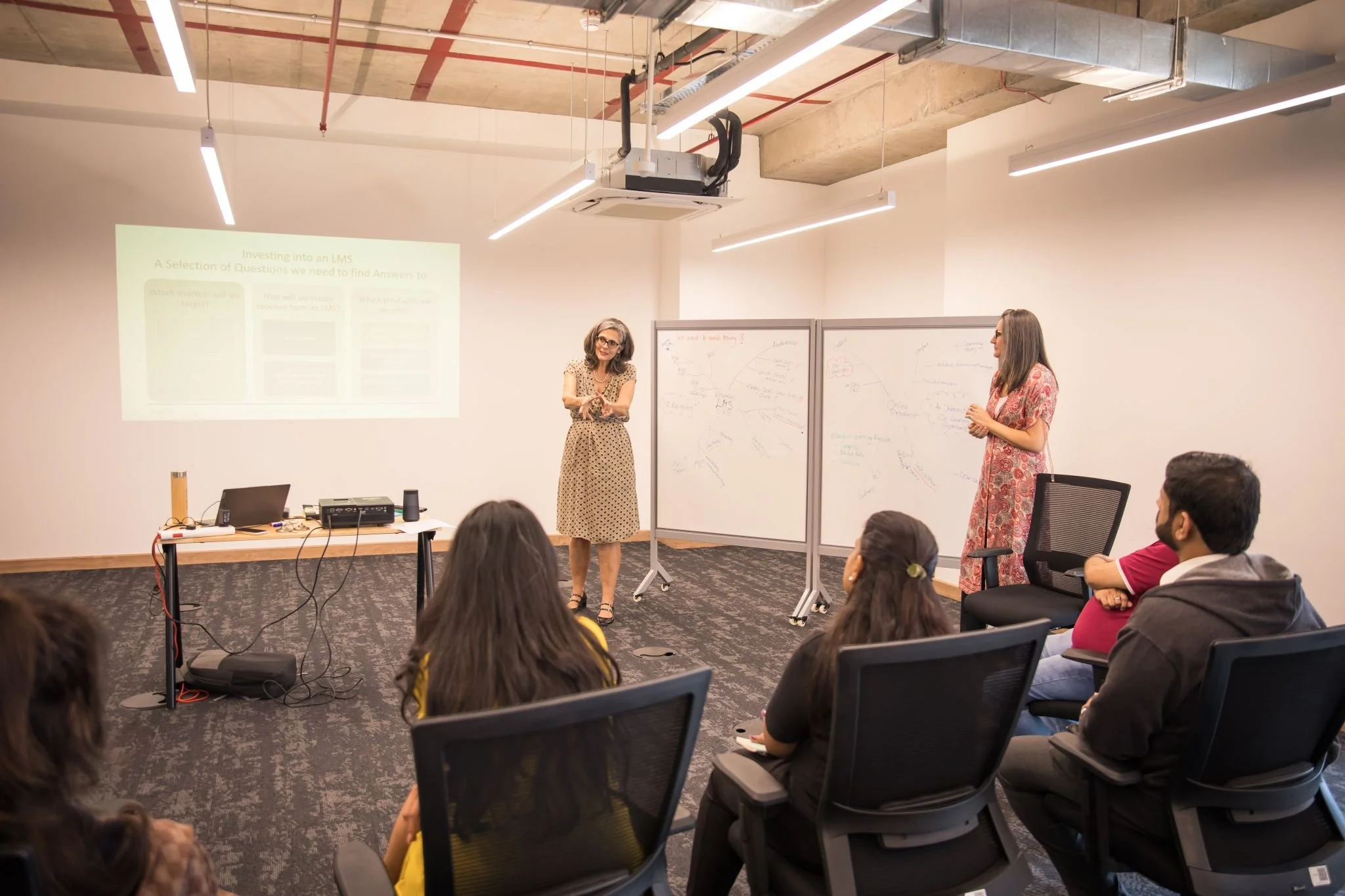
India is on the focus of a radical change in the global business scenario. The expectations of these centers, and their leaders, have changed considerably as Global Capability Centers (GCCs) become more strategic and less operational as a distribution hub.
The world is being transformed by artificial intelligence, redefining the way businesses operate. India has become the destination of choice to build global capability due to the presence of talent, cost benefits, and digital adoption. However, the capacity or the scale will not be the differentiator in the next decade—leadership will be.
GCCs today work within complex and globally integrated ecosystems. Teams must collaborate across geographic, time zone, and cultural boundaries. The nature of work requires not just technical proficiency, but cross-cultural communication, strategic thinking, and leadership maturity.
Nevertheless, most organizations start building these intercultural and leadership skills much later, often when a person has already become a manager or leader. This is a reactive strategy that has to change.
The possibility of India making its own impressions on the global future of work is directly connected with how consciously we develop leadership capabilities at all levels.
An Action Plan: Leadership on Day One
GCC leaders must act instead of waiting for external validation or questioning whether perception matches expectation. The leadership agenda must expand beyond delivery excellence to cultivating global-ready talent.
Your initial call-to-action (unchanged):
Be the owner of the development of your #GCC #teams.
Be a proponent of your talent and culture.
Invest in leadership rather than delivery.
Develop a pipeline of international-capable workers who will eventually lead companies of their own.
The new generation of C-suite leaders can emerge from India’s GCC ecosystem—if we create the right environment for them to flourish.
Why Leadership Matters More Than Ever
With global organizations rethinking operating models, GCCs are leading efforts in:
Digital transformation
Automation
AI programs
Cybersecurity
Analytics
Product engineering
Customer experience innovation
To realize this potential, teams require:
International communication competence
Eagerness to make suggestions
Ability to constructively challenge ideas
Psychological safety
Strategic empowerment and ownership
Teams that simply take orders will not become innovation engines. Teams that communicate freely, disagree respectfully, and challenge assumptions will drive global breakthroughs.
Good Leadership Begins with Early Capability Building
Trust, verbal dexterity, and multicultural aptitude cannot be built in a day. They require early investment.
When professionals grow up in environments where they fear saying no, avoid challenging seniors, or hesitate to express their ideas, these behaviors persist in global workplaces. As a result, they struggle to influence, innovate, or lead.
Early teaching of open communication, strategic thinking, and global collaboration creates leaders who can participate confidently in international discussions.
In the coming decade, leadership preparedness, not workforce size, will determine which GCCs lead global business.
The Moment Is Now
India has the talent.
India has the scale.
India has the global trust.
What India needs next is strong, purposeful, future-focused GCC leadership—leaders who create environments where people can grow, lead, and contribute meaningfully on the world stage.
It is a once-in-a-lifetime opportunity. The window is open.
Are we prepared to possess it?