
Rethinking Intercultural Training: Looking Within Countries
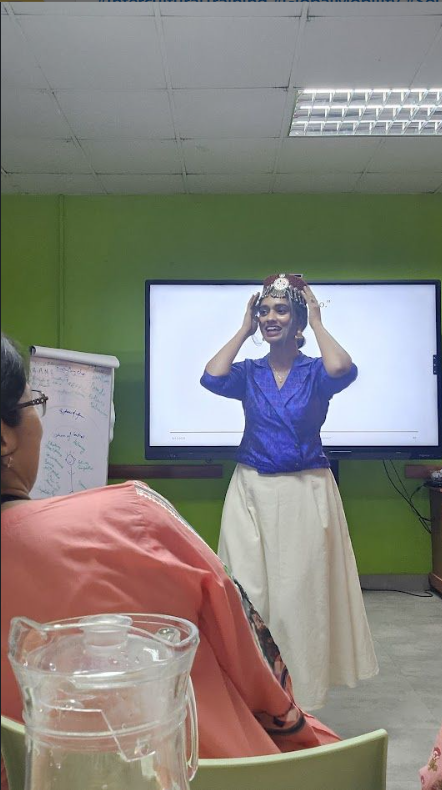
I’ve been travelling across South Asia recently, and every stop reminds me how proximity doesn’t always mean similarity. It reminds me of something I often say during my intercultural trainings: Even within India, crossing a state feels like crossing into a new country.
From language and food to ideas of time, hierarchy, or even feedback styles the change is striking. During one of my recent conversations, a Japanese professional shared his experience of working in equipment sales across India from north to south. He spoke about how approaches to professionalism, timelines, negotiations, and even life philosophies shift so much from region to region. Much of this is shaped by each state's unique history, political climate, and social structure.
We often talk about global differences, but this made me reflect on how we need to look more locally too. Platforms like GlobeSmart have been helping build global awareness, but imagine if we had similar insights into the intra-cultural diversity of countries like India or China?
Not just “how to work with Indians” but how to work with professionals from Kerala, Punjab, or Maharashtra. That kind of nuanced understanding can reduce the cognitive dissonance many international professionals feel when a single-country training doesn’t prepare them for such vast internal diversity. I’m curious, do you know of any tool, study, or platform that tracks cultural dimensions within a country? If yes, I’d love to hear from you.