
The Real Challenge of Moving Abroad Isn't the Language—It's the Unspoken Rules
Lately, I’ve had the opportunity to conduct a few intercultural mobility trainings, and each time, I find myself thinking: I wish I had received something like this before I moved to Europe.
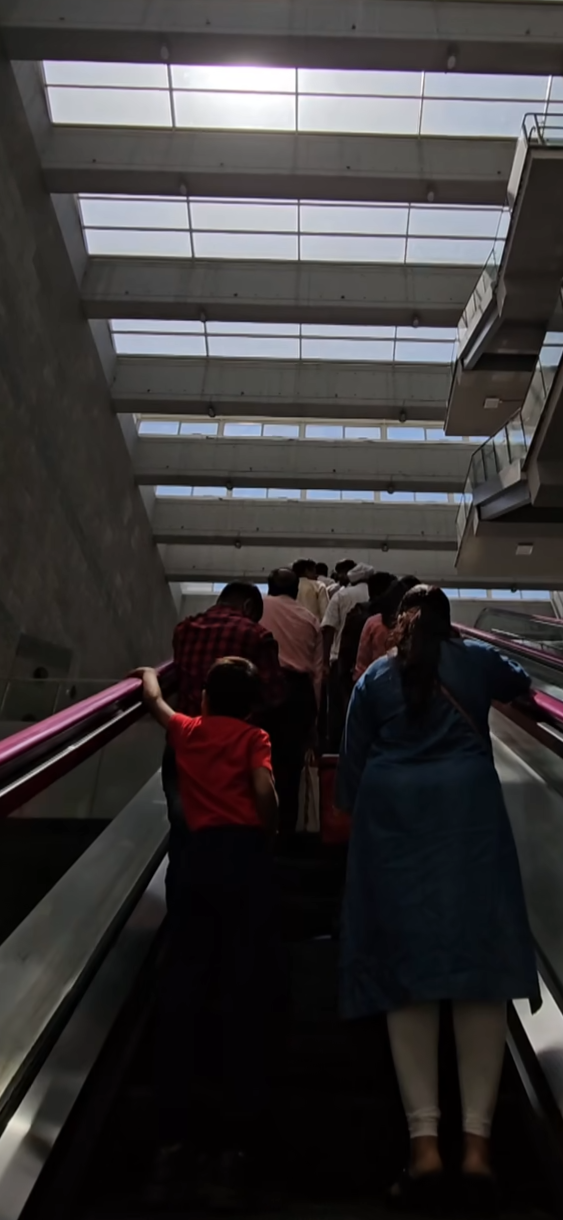
Not because it would have told me everything. But because it would have helped me notice the invisible rules sooner. I still remember being a young college student, newly travelling by Mumbai locals. The train system came with its own etiquette, rhythm, and unspoken logic.
How do you explain the “fourth seat” to someone who didn’t grow up in Mumbai? That someone can “claim” a seat simply by informing you.
Or that depending on the time of travel, you may need to get up two or three stops before your station and make your way to the door.
And then there is the ladies compartment, where the rules are not just about space, but also safety, boundaries, and shared understanding.
Years later, in Caen, France, I noticed another kind of public transport etiquette: greeting the bus driver when entering, thanking them while leaving, and pressing the stop button so the driver knew you wanted to get down.
Different places. Different systems. Different invisible rules.
This, for me, is the heart of intercultural mobility training. It is not about memorising stereotypes or “dos and don’ts.” It is about learning how to observe, ask, adapt, and make sense of the everyday moments that shape how we feel in a new place.
What is one public transport etiquette you experienced that surprised you in another city or country?
To know more about the types of intercultural mobility sessions we offer at StrengthMiner® Consulting LLP reach out to me at pratha.shetty@strengthminer.com